As adults grow older, it has been proven beneficial to reside in a setting that is cozy and recognizable. However, maintaining daily household chores can be challenging for elderly individuals and those facing disabilities, restricted movement, or other obstacles.
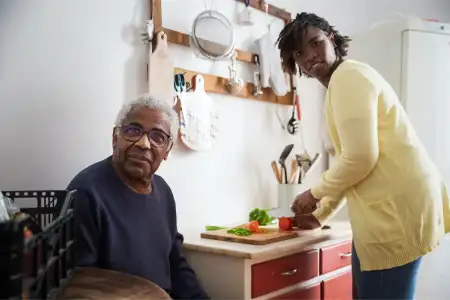
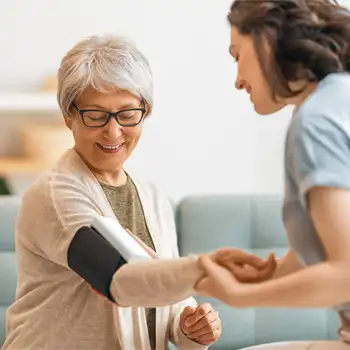
Allevia Home Care provides skilled and caring staff to assist older individuals or other disabled adults who prefer to continue living in their own homes, even though they might struggle to handle all the maintenance tasks by themselves. A kind-hearted approach involves organizing a care assistant to help with regular duties such as meal preparation, shopping, tidying up, washing clothes, and taking care of the household in general.
What Is Included with Homemaking Services
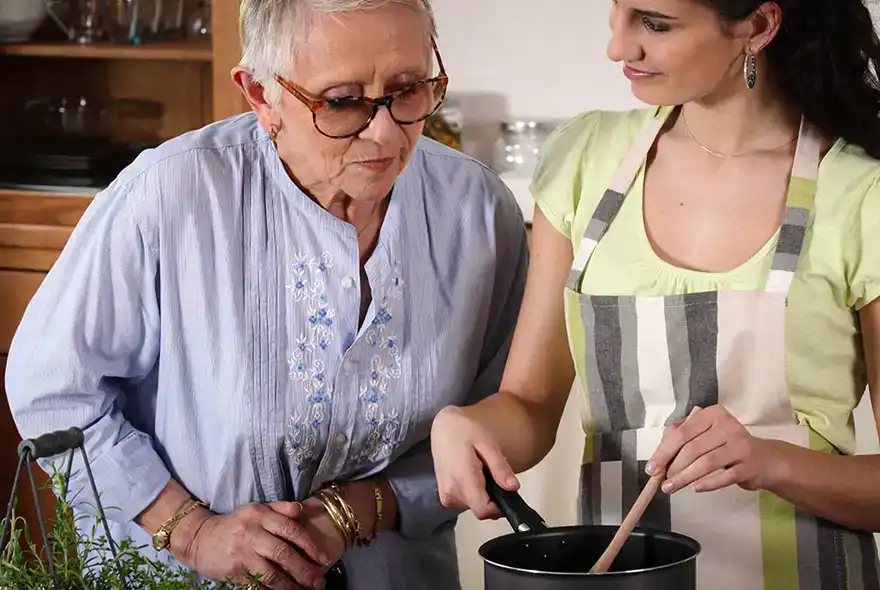
Homemaker services encompass a range of tasks that can be tailored to meet the specific needs of elderly individuals or those with disabilities within their homes. These services are designed to provide comprehensive assistance with daily tasks and support their independent living. These services not only ensure a clean and organized living space but also foster a sense of companionship and emotional support for seniors or disabled persons who might otherwise feel isolated.
Staff at Allevia Home Care are pleased to provide help with domestic chores that significantly impact the lives of elderly individuals and disabled adults.

These tasks often include:
- Grocery shopping
- Meal preparation
- Kitchen cleaning and organization
- Cleaning and organizing bathrooms
- Vacuuming and sweeping
- Laundry and changing bed linens
- Ironing
- Eliminating tripping hazards and making the home environment safe
- Assistance with pet or plant care
Benefits of Homemaking Services from Allevia Home Care
Allevia Home Care offers a range of domestic help services that can substantially enhance the quality of life of individuals in their own homes.
With a variety of qualified homemakers available for hire across our service area, local residents can benefit from professional-grade domestic assistance scaled to handle their specific household needs.
Allevia Home Care takes pride in building lasting relationships and familiarizing themselves with the nuances of client homes to best pitch in wherever needed. Their supportive presence lets those we serve focus energy on personal priorities rather than allocating multiple hours every week to obligatory home-based chores alone.
Relatives depend on Allevia Home Care to provide dedicated and proficient caregivers who derive genuine pleasure from attending to the small details that enhance the comfort of elderly or disabled individuals.
If you or a loved one are in need of daily assistance, please contact Allevia Home Care to help bring some comfort and peace of mind into the lives of you and your loved ones.
Frequently Asked Questions
Does Medicare Or Health Insurance Pay For In-Home Care?
Medicare and traditional health insurance pays for very limited amounts of care, for very brief periods of time. Companion care and non-medical home care are typically not paid for by Medicare or traditional health insurance.
Who provides Personal Care?
Personal care can be provided by a variety of professionals, including home health aides, personal care aides, and certified nursing assistants.
In addition to these professionals, there are also home care agencies that provide personal care services. These agencies employ trained professionals who can provide assistance with activities of daily living such as bathing, dressing, grooming, and toileting.
It is important to note that the availability of personal care providers may vary depending on the location. Therefore, it is best to check with your local Department of Health and Human Services or a Medicaid specialist to determine the availability of personal care providers in your area.
Who is eligible for Personal Care?
The eligibility criteria for personal care assistance may vary depending on the state and the Medicaid program. In general, home and community-based services are available to eligible persons aged 60 or older and to adults with disabilities between the ages of 18 and 59.
Medicaid is one of the programs that provides personal care assistance through its Medicaid State Plan and Medicaid Waiver programs. To be eligible for Medicaid, specific eligibility criteria must be met, including being a resident in the state in which one applies, financial requirements, and functional requirements.
In addition to Medicaid, there are other programs that provide personal care assistance such as Home and Community Based Services (HCBS) Medicaid Waivers or Section 1115 Demonstration Waivers.
It is important to note that eligibility criteria may differ based on the state and the program. Therefore, it is best to check with your local Department of Health and Human Services or a Medicaid specialist to determine your eligibility for personal care assistance.
What are the signs that an elderly person is in need of assistance?
Identifying signs that an elderly person requires assistance is crucial for ensuring their safety and well-being. Common indicators include:
- Changes in Physical Health: Keep an eye out for noticeable declines in mobility, changes in weight, or struggles with personal hygiene.
- Social Withdrawal: If an elderly person becomes increasingly isolated, it may signal a need for companionship or assistance with daily activities.
- Neglected Living Environment: A disheveled or unkempt living space may suggest difficulties in managing household tasks, indicating a need for support.
What regions do you serve for in-home care?
We currently provide caregiver services across Aurora, Denver, Colorado Springs and Counties: Adams, Douglas, El Paso, Elbert, Jefferson.
What Is The Difference Between In-Home Care And Senior Housing Options Like Assisted Living?
In home care keeps seniors safe in their own homes by providing care either hourly or live-in services. Most seniors would commonly prefer to stay in their own homes for as long as possible. Assisted living facilities are for aging adults who need more care, or need a safer environment. Assisted living facilities are a great option for people who become confused easily and may wander or may need regular medication administration by a med-tech or nurse.