
As those we love age, it becomes increasingly challenging for them to take care of themselves. They may face various health problems that can make it difficult for them to perform their daily tasks. In such cases, home health maintenance service can provide them with the necessary assistance and care to help them maintain their quality of life.

What Is Health Maintenance Service?
Health maintenance service is a form of care that is provided at home to help the client maintain their health. Although our caregivers are not licensed nurses, they are trained for these tasks by licensed medical personnel. The goal of this service is to help seniors maintain their independence and quality of life while receiving the care they need.
Our Comprehensive Approach to Health Maintenance
Our home care health maintenance services include:
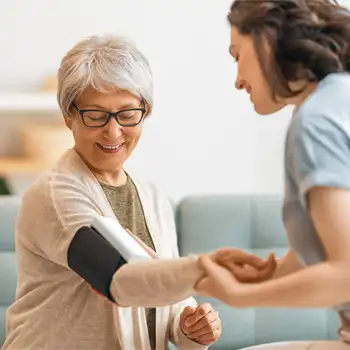
- Health Assessments: We conduct regular health assessments to monitor your health and identify any potential health issues early on.
- Medication Management: We help you manage your medications to ensure you are taking the right doses at the right time.
- Nutritional Support: Our caregivers prepare nutritional meals according to your doctor’s instructions and your preferences, to ensure that you are getting as much nutrition as possible.
- Fall Prevention: We assess your home for safety hazards and provide recommendations to prevent falls, which are a leading cause of injury among older adults.
- Chronic Disease Management: We provide care for chronic conditions such as diabetes, heart disease, and arthritis to help you manage your symptoms and prevent complications.
- Integration: We can combine health maintenance with a range of other home care services, including personal care, homemaking, and companionship, to help you live as independently as possible in the comfort of your own home.
Benefits of Home Care Health Maintenance Service
There are many benefits to home care health maintenance service. Some of the most significant benefits include:

- Independence
- Comfort
- Personalized Care
- Cost-Effective
- Medication Management
- Peace Of Mind for You and Your Family
Our comprehensive approach to home care health maintenance ensures that you receive the highest level of care and support to help you maintain optimal health and quality of life.
Contact us today to learn more about our services and how we can help you or your loved one age in place with confidence.
Frequently Asked Questions
How quickly can Allevia Home Care start care after my initial inquiry?
In most cases we can begin senior care services within 1 week of first contacting our agency. We strive to respond promptly to urgent senior assistance requests.
What regions do you serve for in-home care?
We currently provide caregiver services across Aurora, Denver, Colorado Springs and Counties: Adams, Douglas, El Paso, Elbert, Jefferson.
Who provides Personal Care?
Personal care can be provided by a variety of professionals, including home health aides, personal care aides, and certified nursing assistants.
In addition to these professionals, there are also home care agencies that provide personal care services. These agencies employ trained professionals who can provide assistance with activities of daily living such as bathing, dressing, grooming, and toileting.
It is important to note that the availability of personal care providers may vary depending on the location. Therefore, it is best to check with your local Department of Health and Human Services or a Medicaid specialist to determine the availability of personal care providers in your area.
What health challenges may arise for elderly individuals without proper care?
Elderly individuals without proper care may face various health challenges that can impact their overall well-being. These challenges include:
- Malnutrition: Inadequate access to nutritious meals can lead to malnutrition, affecting physical health and cognitive function.
- Untreated Medical Conditions: Without proper care, chronic medical conditions may go untreated, exacerbating health issues and reducing the individual’s quality of life.
- Increased Risk of Falls: Lack of assistance and supervision may elevate the risk of falls, resulting in injuries that can further compromise the individual’s health.
What sets your senior care services apart from competitors?
Our dedication to customized care planning, skilled caregivers, and transparent communication at every step sets us apart. We focus exclusively in seniors.
What Happens If an Elderly Person Has No One to Care for Them?
When elderly individuals find themselves without a caregiver, various support services can step in to provide assistance and ensure their well-being. These services may include:
- Government Assistance Programs: Many governments have social welfare programs designed to support elderly citizens. These programs may offer financial aid, housing assistance, and access to healthcare services.
- Non-Profit Organizations: Numerous non-profit organizations focus on the welfare of the elderly. These organizations often provide services such as meal delivery, transportation, and companionship programs.
- Community Resources: Local communities may offer resources such as senior centers, where the elderly can engage in social activities, receive health check-ups, and access educational programs.